
Comfort and Protection for Florida Driving
Auto Window Tint in Bradenton for vehicles exposed to intense sun, heat buildup, and glare during daily use
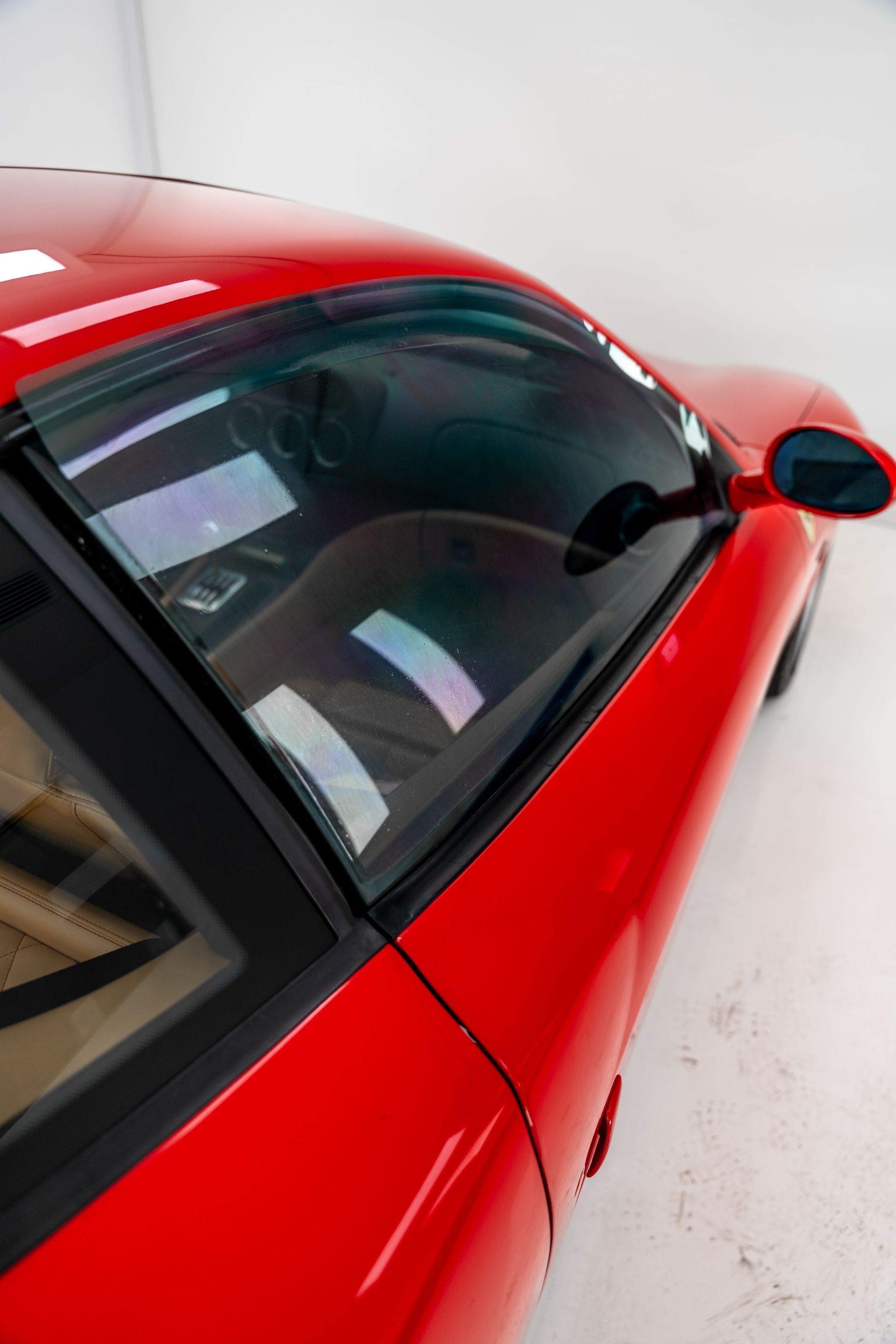
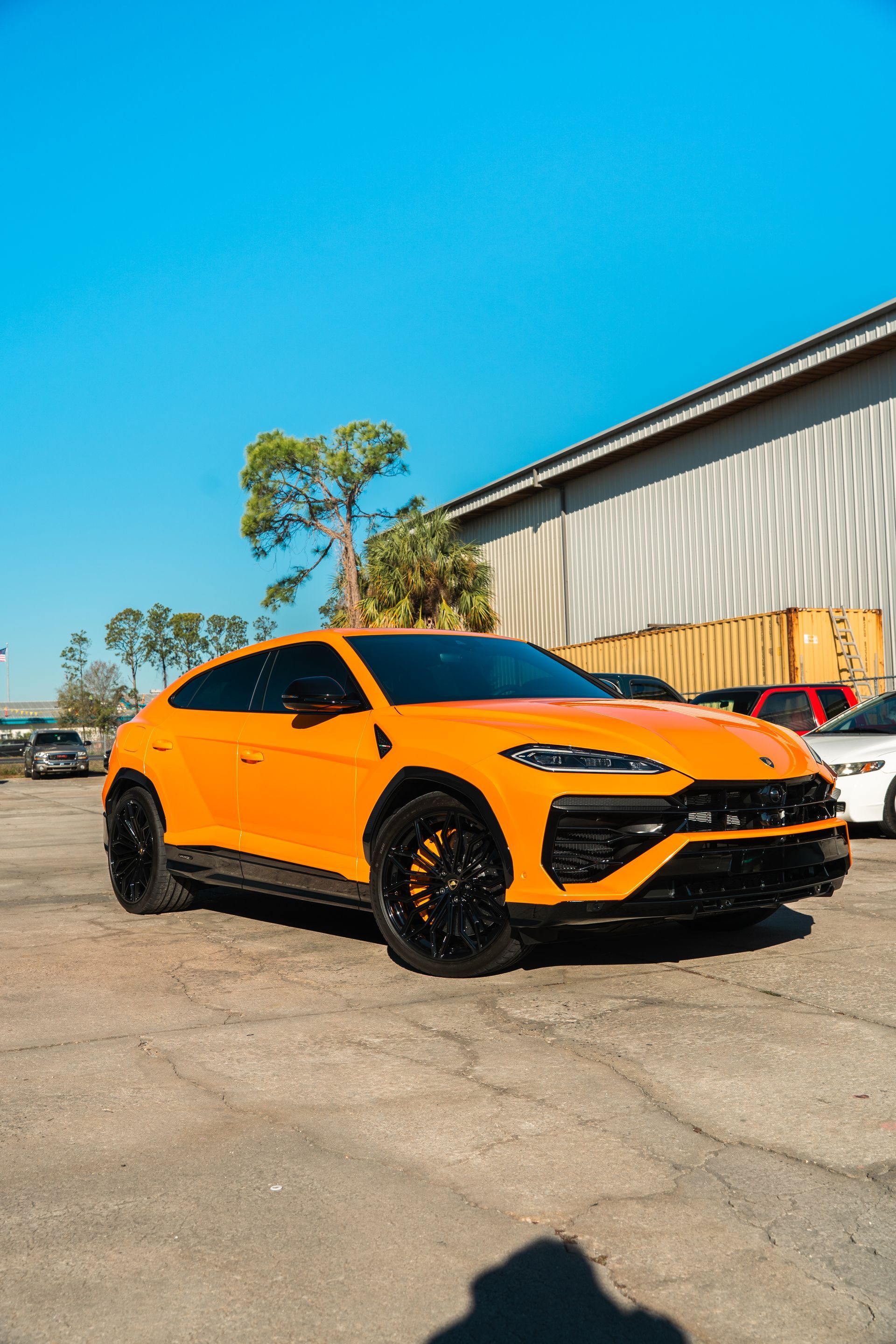
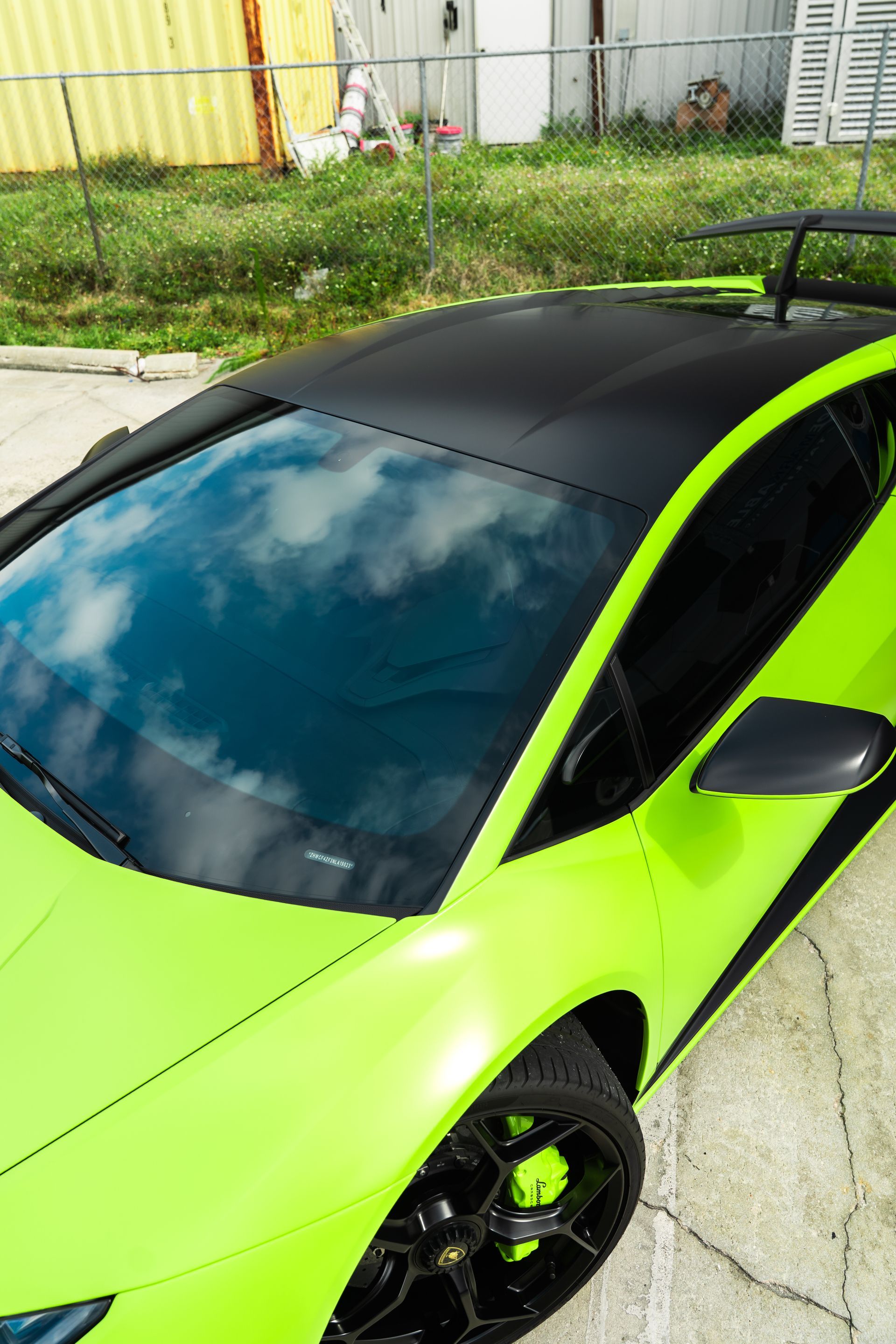
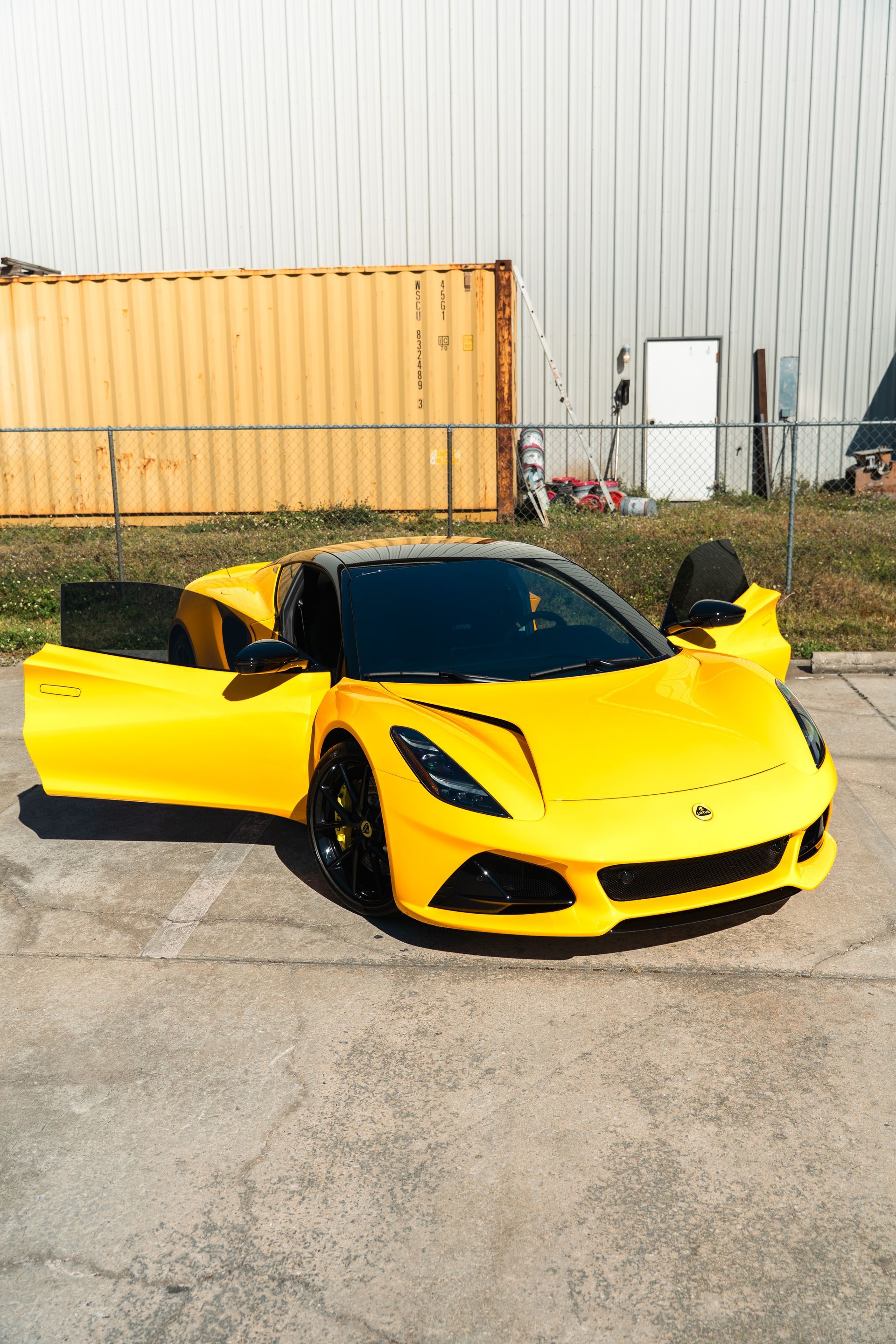
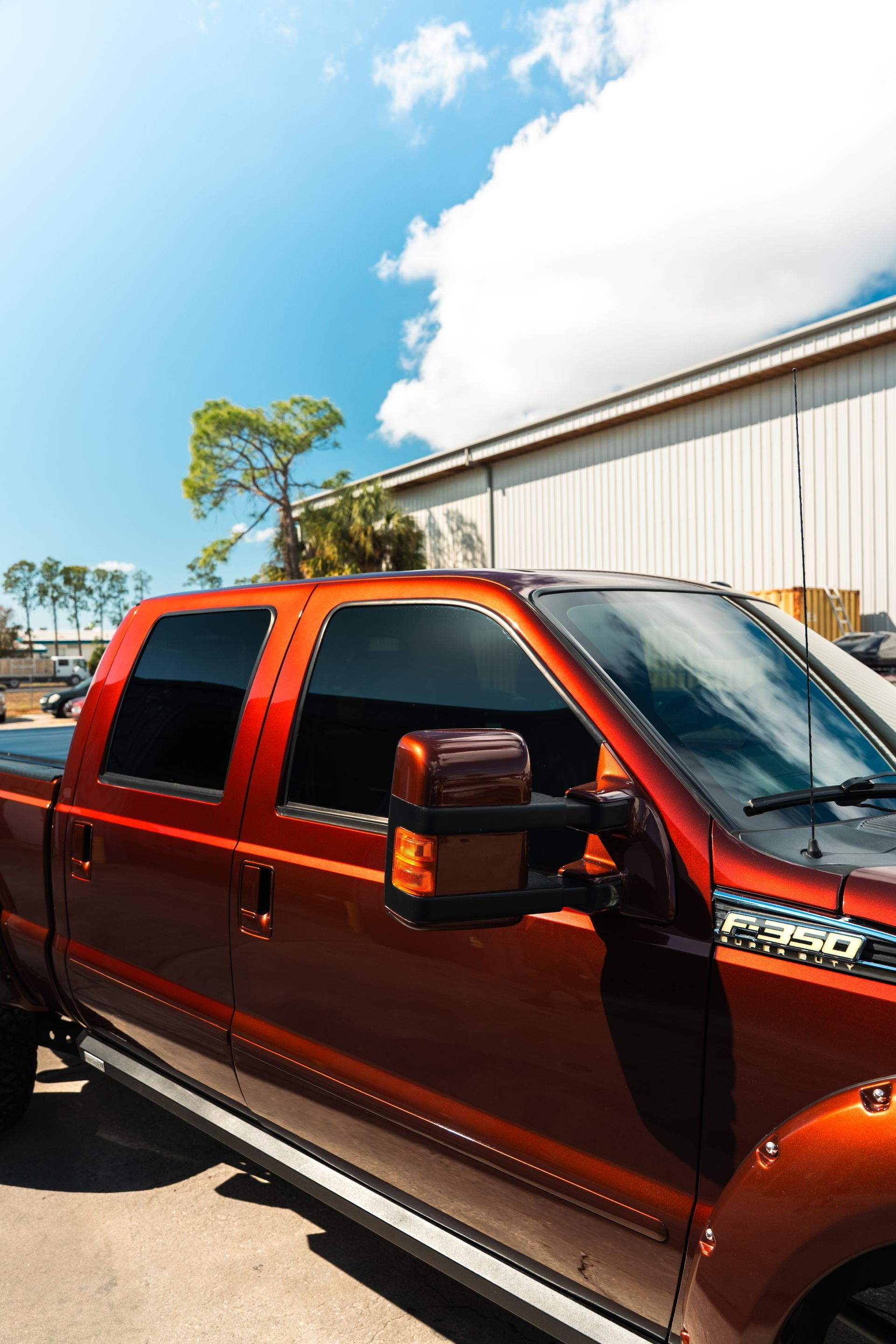
Window tint reduces cabin temperature by blocking infrared heat before it enters through glass, cuts glare that makes highway driving uncomfortable during morning and afternoon sun angles, and filters UV radiation that fades upholstery and cracks dashboard plastics over time. Remarkable Detailing expanded into tint services in 2018 as customer demand increased throughout Bradenton, now installing film on daily drivers, luxury vehicles, trucks, and commercial fleets using clean application methods designed to prevent bubbling, peeling, and edge contamination. This matters for anyone who parks outdoors in Florida, drives during midday hours, or wants privacy without aftermarket curtains or sun shades that block visibility.
Tint installation involves cutting film to exact window dimensions, applying a slip solution to the glass surface, positioning the film without wrinkles or gaps, then squeegeeing out water and air pockets before trimming edges flush with window seals. The adhesive cures over several days, during which the film may show slight haze or small water bubbles that disappear as the bonding process completes and moisture evaporates through the film layers.
Request tint shade recommendations and pricing estimates based on your vehicle type and the level of heat rejection you need for typical driving conditions.
What Proper Tint Installation Requires
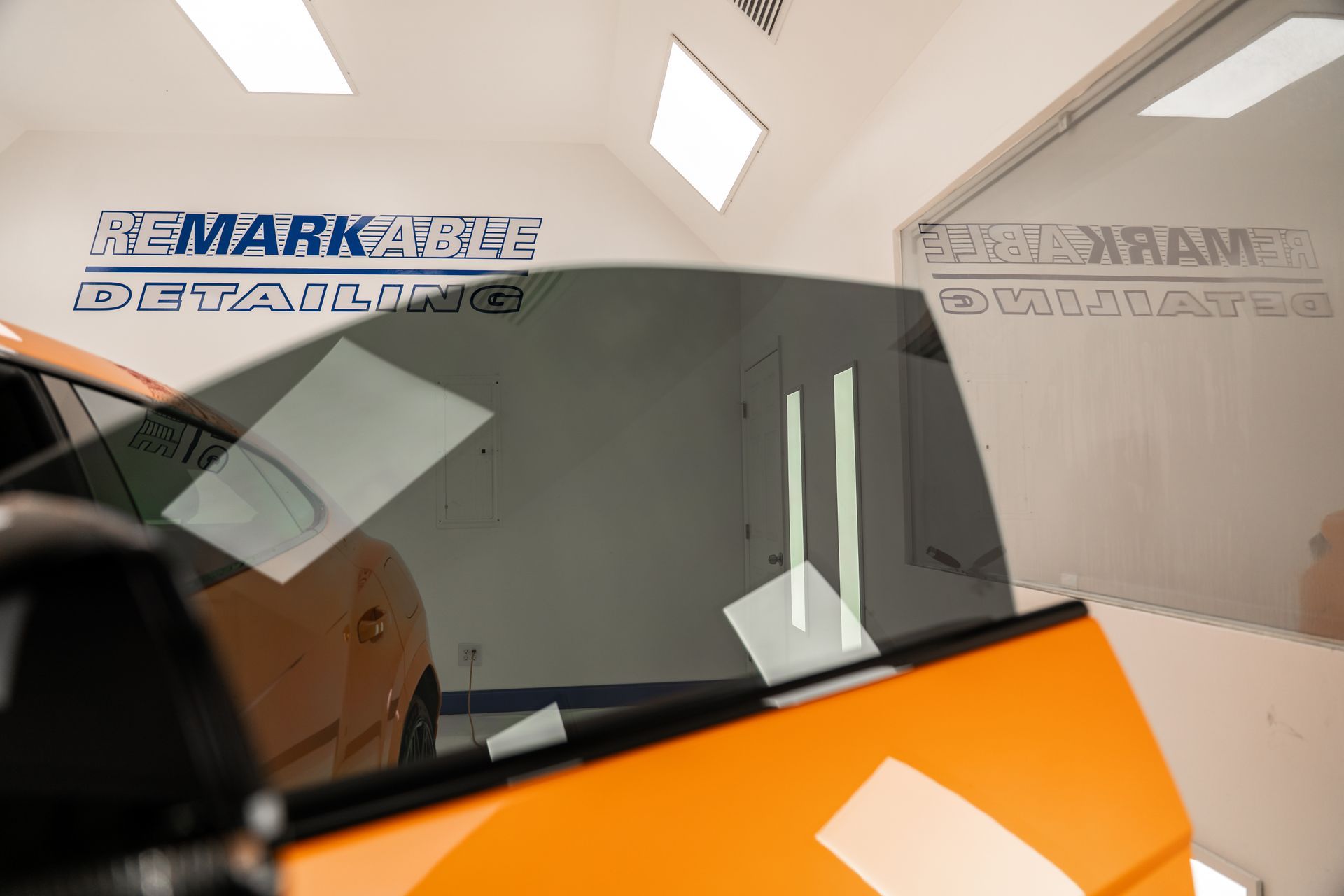
Quality tint work depends on controlled environment installation, precise cutting that avoids gaps along window edges, and squeegee technique that removes all water without stretching or tearing the film material. Remarkable Detailing works in climate-controlled spaces to prevent dust contamination during application, a critical step in Florida where airborne particles from construction, pollen, and road debris settle quickly on wet surfaces and create visible imperfections trapped under the film.
After installation and curing, you'll notice that interior temperatures drop noticeably during sunny days, dashboard surfaces stay cooler to the touch, glare no longer causes squinting when driving east in the morning or west in the evening, and upholstery colors remain stable instead of fading to washed-out tones over multiple summers. Privacy increases for rear passengers and cargo areas, while UV protection extends the life of leather seats and plastic trim that would otherwise crack and discolor.
Tint services pair naturally with ceramic coatings and paint protection packages, creating a comprehensive approach to vehicle preservation that addresses both interior comfort and exterior surface durability. Shade darkness is selected based on state regulations, personal preference, and whether the vehicle is used for commercial purposes requiring visibility into the cabin.
What Vehicle Owners Usually Ask
Drivers in Bradenton ask about film darkness, legal limits, and performance differences before scheduling tint installation.
What tint percentage provides the best balance between heat rejection and visibility?
Most drivers select 35% tint for side windows and 20% for rear glass, which blocks significant heat while maintaining clear outward visibility at night and during inclement weather common in Florida's summer storm season.
How long does window tint take to fully cure after installation?
Tint adhesive requires three to five days to cure completely, during which you should avoid rolling windows down or cleaning the film, as premature movement can cause edge peeling or create water pockets that won't dry properly.
Why does Florida sun cause untinted vehicles to become uncomfortably hot even with air conditioning running?
Glass transmits infrared heat directly into the cabin faster than air conditioning can remove it, creating a temperature imbalance that keeps surfaces hot and forces the HVAC system to work continuously at maximum output.
Can tint be applied to windshields or just side and rear windows?
Florida law restricts windshield tint to a strip along the top edge, typically five inches or less, while side and rear windows allow darker shades depending on vehicle type and whether the vehicle is registered for personal or commercial use.
What causes tint to bubble or turn purple after several years?
Low-quality film materials break down under UV exposure, causing the dye layer to fade to purple tones and the adhesive to fail, which creates bubbles and peeling that require complete removal and reinstallation with higher-grade film.
Remarkable Detailing offers tint options for daily drivers, luxury vehicles, trucks, and commercial fleets, with installation designed to deliver long-term performance and clean appearance. Schedule an appointment to discuss shade options and heat rejection levels appropriate for your vehicle and typical use patterns.