Vessels That Withstand Saltwater and Sun
Marine Detailing in Bradenton for boats exposed to Gulf Coast saltwater, UV intensity, and constant humidity
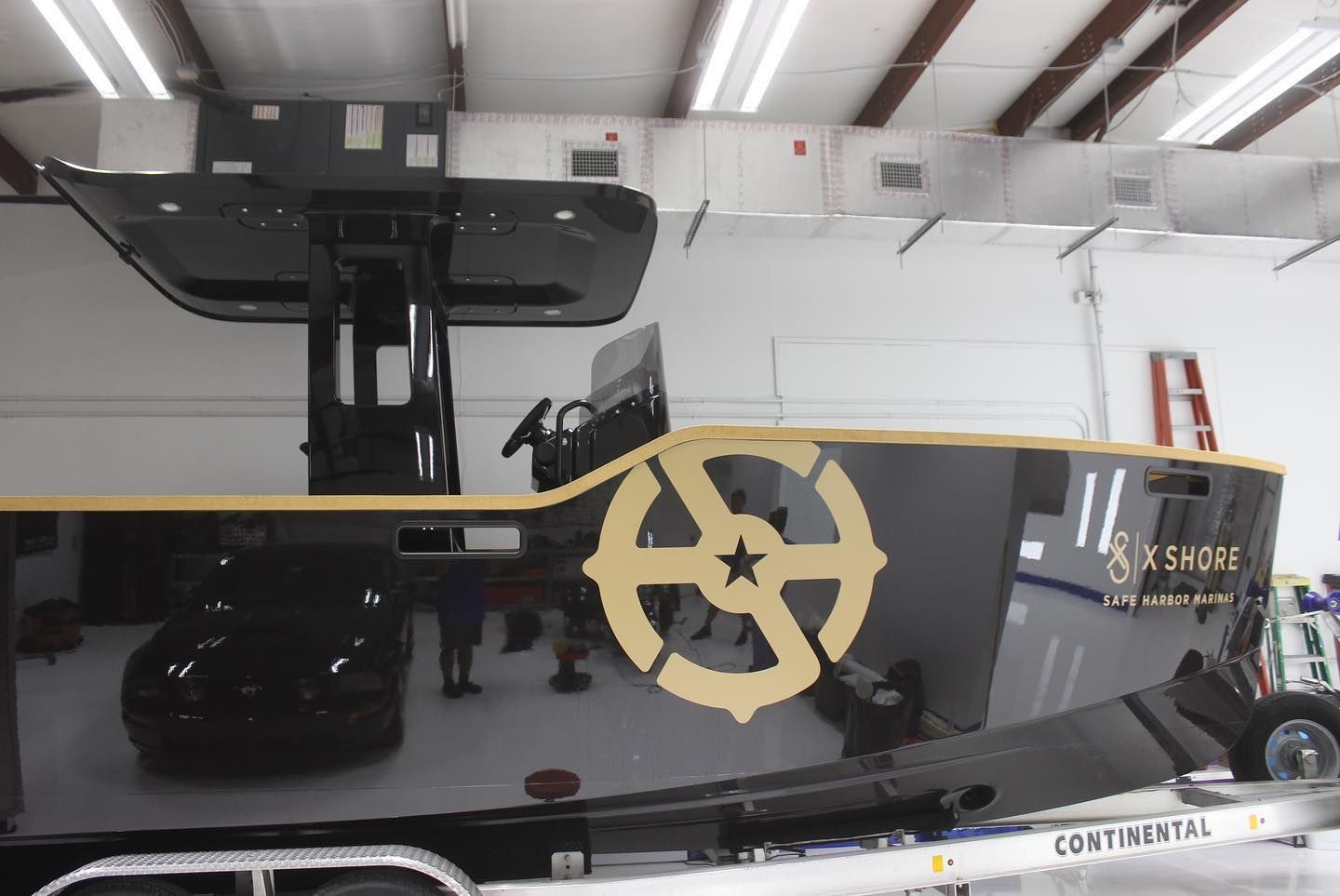
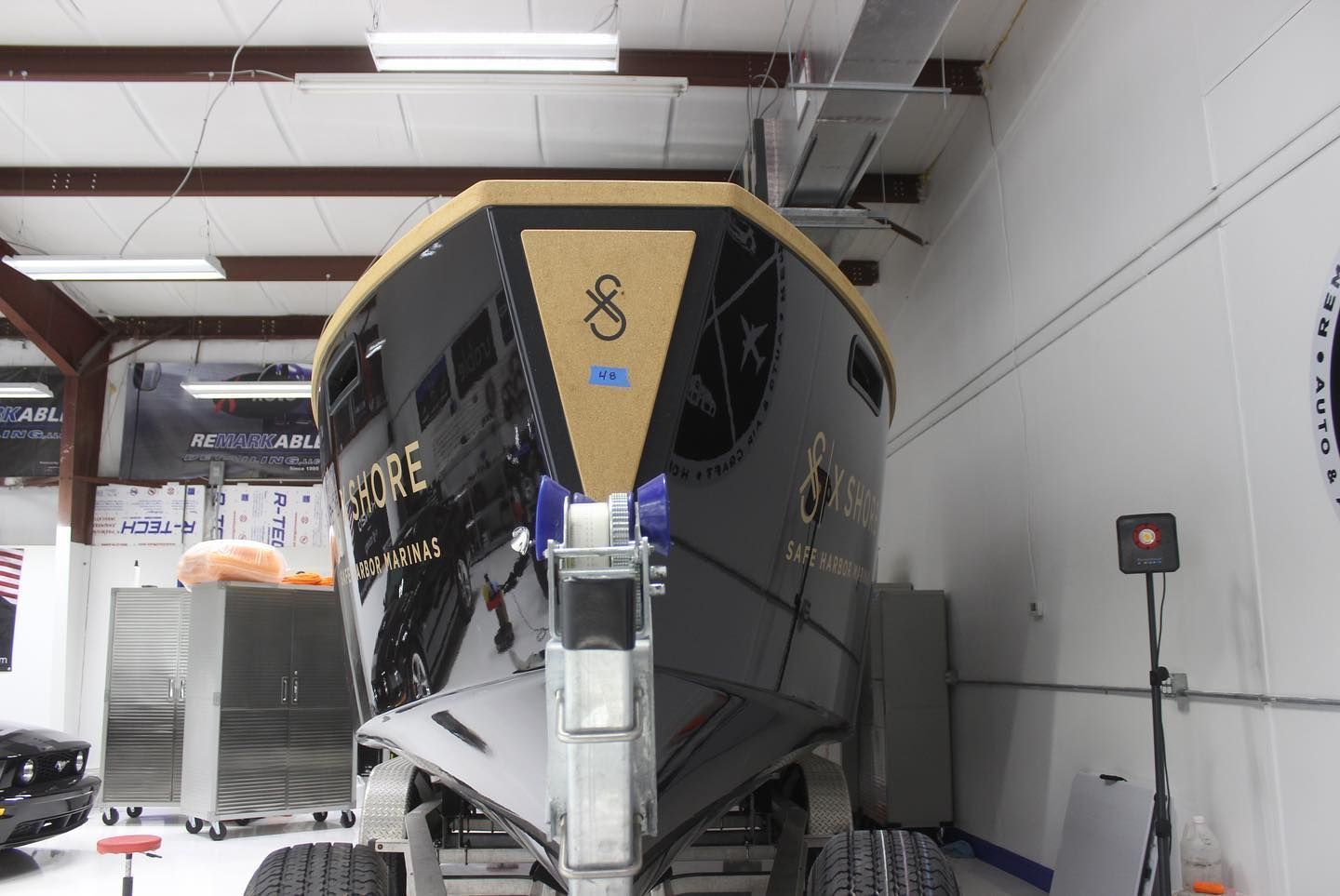
Saltwater spray leaves crystallized deposits on gel coat surfaces that dull shine and accelerate oxidation if not removed promptly, while UV exposure breaks down wax protection faster in coastal Florida than anywhere inland. Remarkable Detailing provides marine detailing for boats, yachts, and personal watercraft along the Gulf Coast region, addressing the specific wear patterns that come from mooring in saltwater, trailering between launches, and storing vessels in high-humidity environments. You bring in a boat with chalky oxidation on the hull, salt buildup in hardware, and interiors that smell of mildew, and the service restores appearance while applying protective treatments that extend time between maintenance sessions.
The process includes exterior washing with marine-specific solutions that rinse cleanly without leaving residue, oxidation removal through compounding that strips the damaged gel coat layer to reveal fresh material underneath, and polishing that restores gloss before protective coatings are applied. Interior cleaning targets mold growth in upholstery and carpet caused by trapped moisture, along with UV treatment for vinyl surfaces that crack under constant sun exposure. Protective treatments create barriers against saltwater etching and UV degradation, reducing how quickly surfaces deteriorate between detailing appointments.
Request a marine detailing estimate to address current vessel condition and establish ongoing maintenance intervals.
Why Saltwater Exposure Demands Specialized Treatment
Marine environments cause failure patterns not seen in automotive applications—salt crystals embed in gel coat pores and pull moisture from the air, creating ongoing corrosion even when the boat sits dry in storage. Oxidation removal involves cutting compounds applied with rotary buffers set to specific speeds that remove damaged material without generating heat that warps fiberglass, a balance that requires experience to maintain across large hull sections.
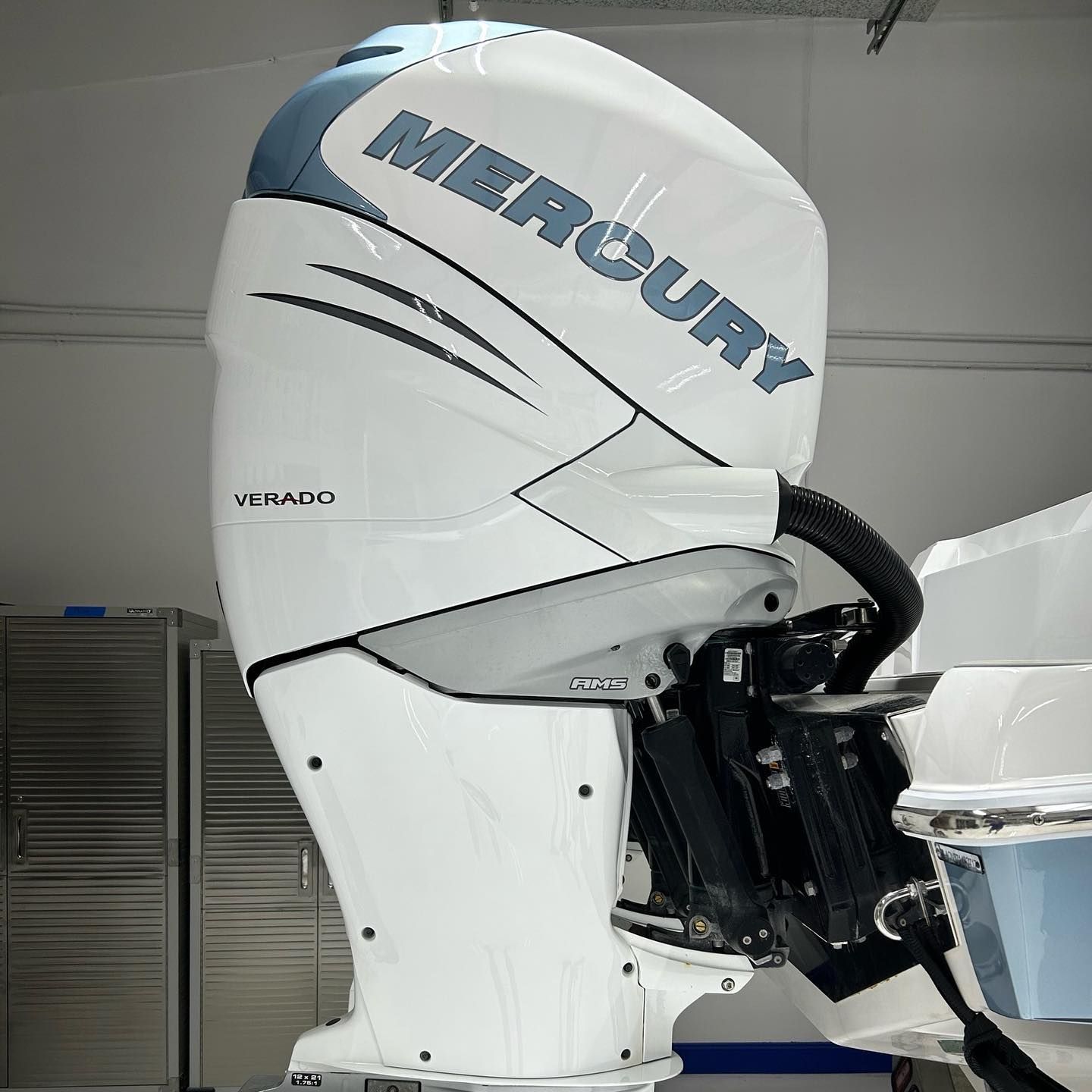
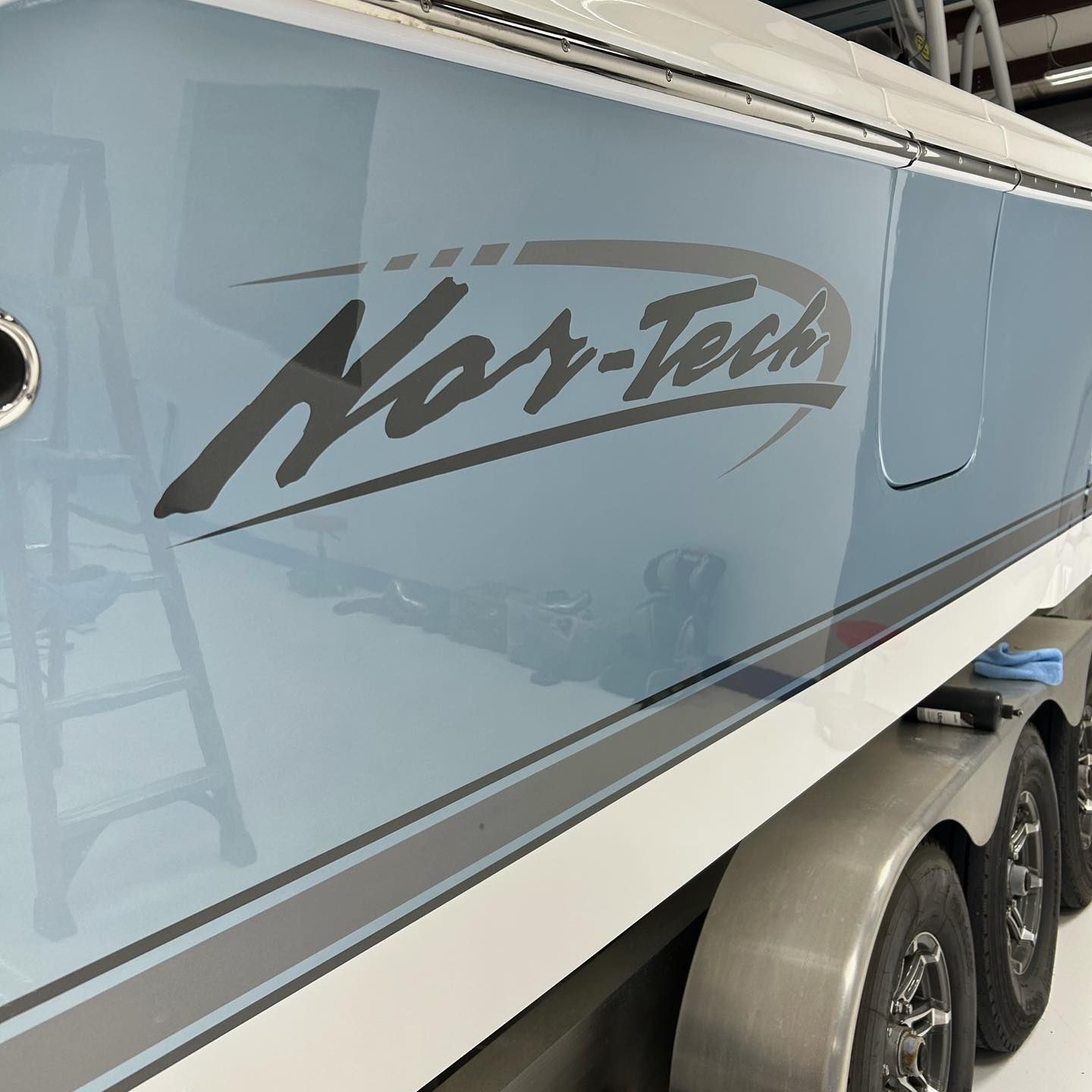
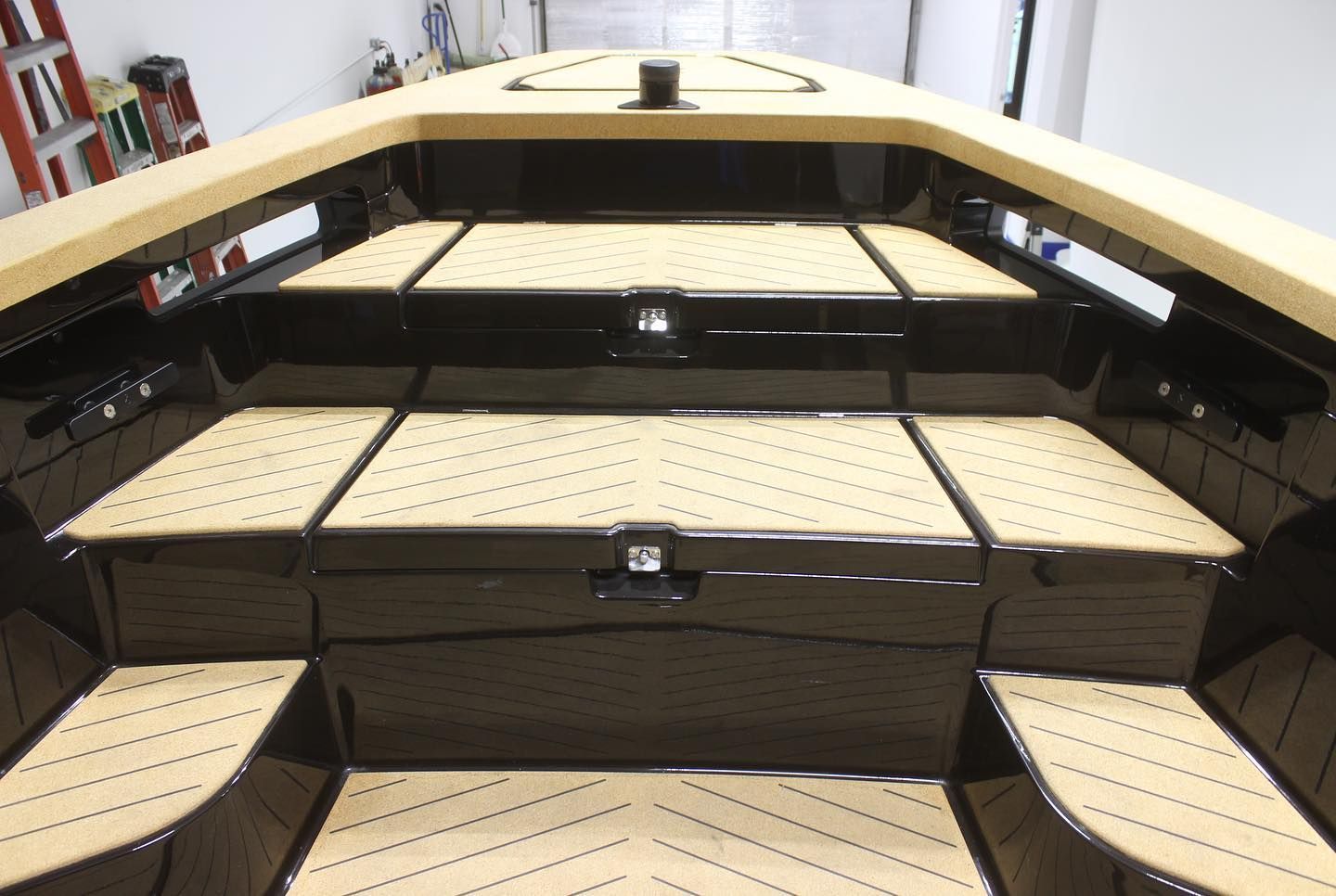
After detailing, you'll see gel coat that reflects clearly instead of appearing hazy, stainless hardware that no longer shows white corrosion streaks, and non-slip surfaces that regain texture without embedded grime. Interiors dry faster after rain or washdowns due to mold inhibitors applied to fabrics, and vinyl seating resists cracking longer because UV protectants block the radiation that breaks down plasticizers in the material.
Services include washing, compounding, polishing, interior cleaning, and protective sealing, but do not cover mechanical systems, structural repairs, or bottom paint application. Marina customers and recreational boat owners throughout the area schedule seasonal detailing before and after heavy-use periods, while liveaboards maintain appearance with more frequent light maintenance between full detailing sessions.
Answers to Frequent Service Questions
Boat owners often ask about timing, product differences, and what changes after professional marine detailing compared to basic washdowns at the dock.
How does oxidation removal differ from polishing?
Oxidation removal uses abrasive compounds to cut away the chalky, degraded gel coat layer until you reach material that still has resin content and color depth, while polishing refines that freshly exposed surface to a high gloss without removing additional material.
What happens to saltwater deposits left on surfaces between washes?
Salt absorbs atmospheric moisture and stays wet even when the boat appears dry, continuously etching into gel coat and corroding metal fittings until the crystals are physically washed away with fresh water and detergent designed to break salt bonds.
When should I schedule detailing around hurricane season in Bradenton?
Schedule before season starts in June to apply maximum protective coatings ahead of storm exposure, then again afterward to remove salt spray and assess any finish damage that occurred during high winds and heavy rain.
What products work for marine applications versus automotive detailing?
Marine products resist saltwater breakdown and maintain protection under constant UV exposure stronger than automotive waxes, which emulsify quickly in saltwater and require reapplication every few weeks rather than months.
How long does protective treatment last on vessels kept in saltwater slips?
Protective wax or sealant coatings degrade within six to eight weeks on boats in constant saltwater contact, compared to three to four months for trailered boats stored on dry racks between uses, making slip-kept vessels need more frequent maintenance cycles.
Remarkable detailing has handled marine detailing since the early years of the business, working with recreational boaters, yacht owners, and personal watercraft operators who need consistent appearance and protection maintenance. Discuss vessel-specific detailing needs and establish a service schedule that matches your usage and storage conditions.