Specialized Care for Aircraft Surfaces
Aviation Detailing in Bradenton for private aircraft owners and operators who need appearance maintenance and surface protection
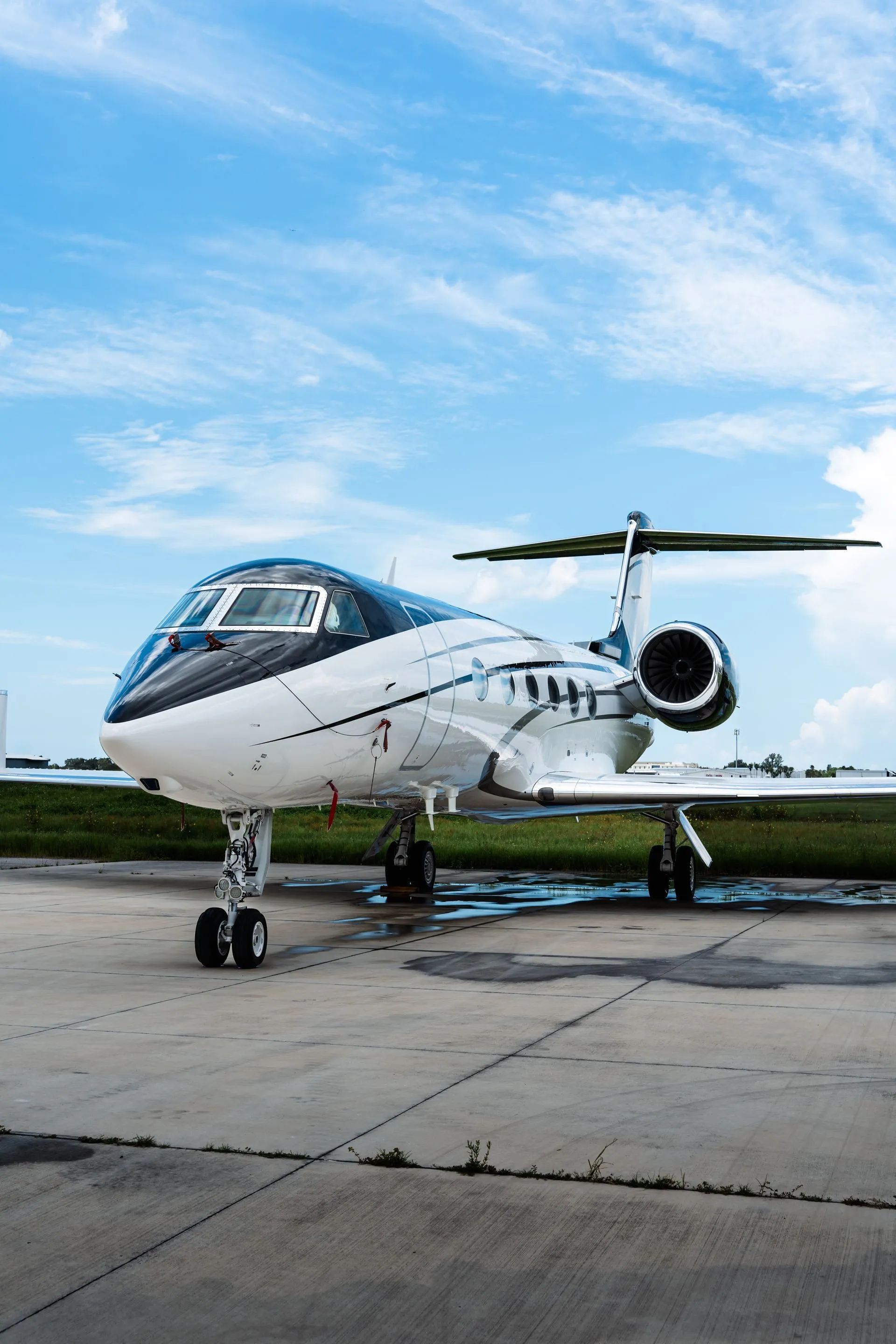
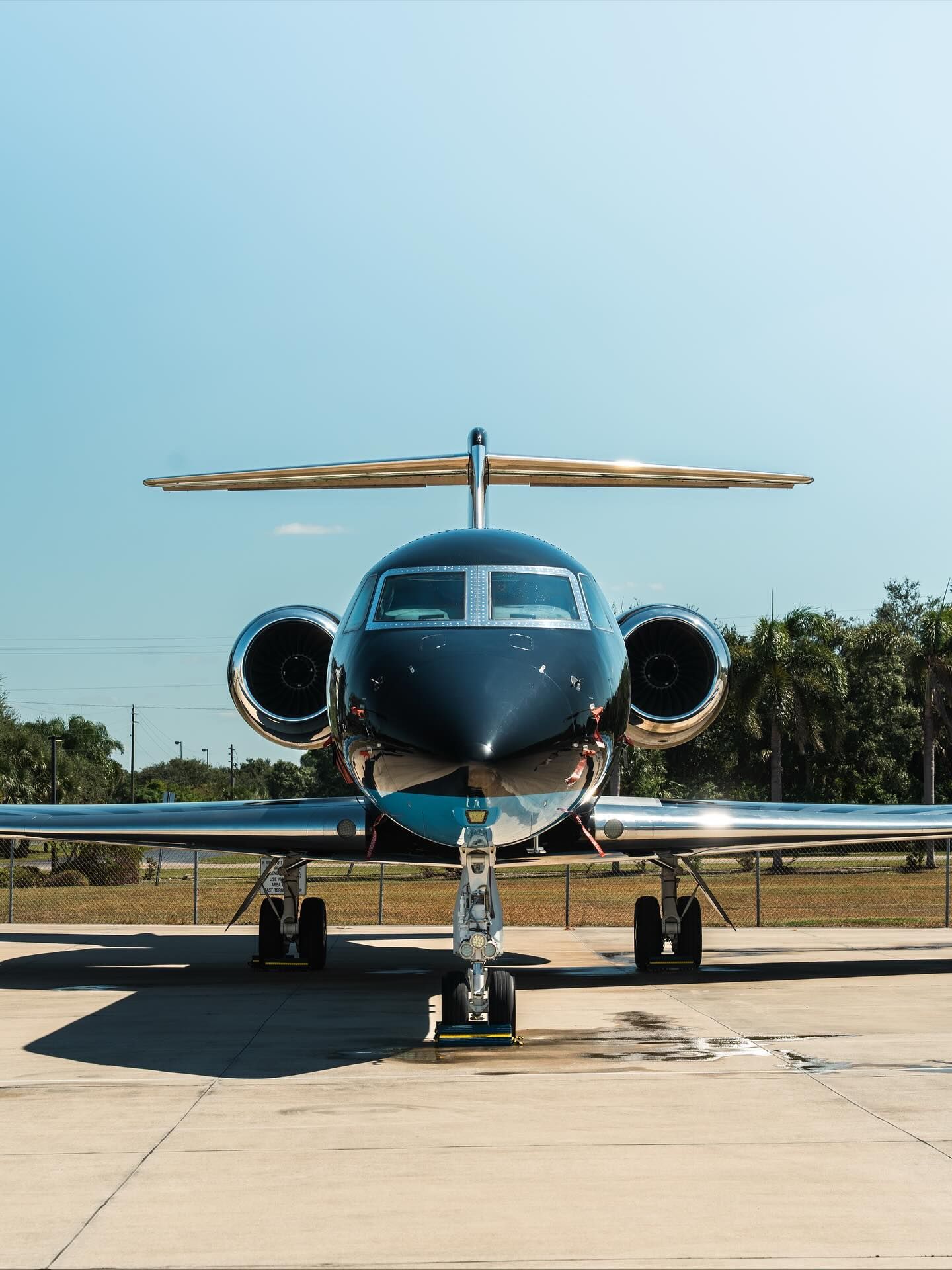
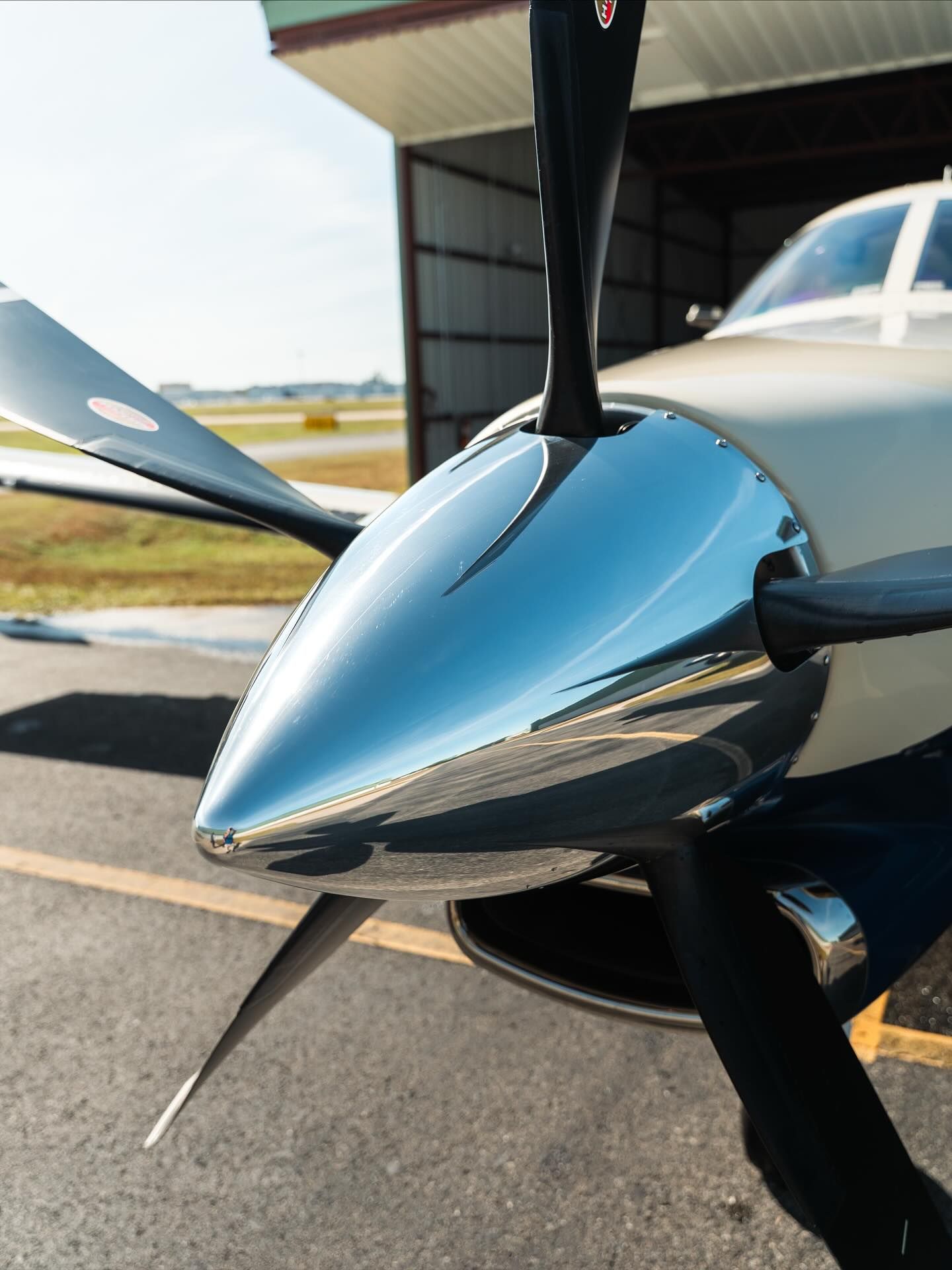
Aviation detailing addresses the unique challenge of maintaining visual appearance inside and out coupled with required maintenance specifications from the manufacturer. The exposure to high-altitude UV radiation, extreme temperature swings, and hydraulic/jet fuel residue combined with interior wear and tear can quickly degrade an airplane's overall appearance if not kept in check. At Remarkable Detailing, we provide interior and exterior cleaning, polishing, and protective treatments for private aircraft, small jets, and specialty aircraft near Sarasota Airport and Venice Airport. Our background goes back to early 2009, where what started with simple washes, has grown into a full service aviation division committed to delivering high end results around our clients busy flight schedules.
We offer both wet and dry wash applications tailored to your specific aircraft with chemicals that won't corrode aluminum or degrade fabric body materials. Our products are approved by FAA standards and our team is not only trained but also insured to give you peace of mind about your aircraft. Aviation detailing complements a routine maintenance schedule by ensuring that surface conditions don't obscure visual checks for cracks, corrosion, fluid leaks and structural issues that need attention and our access to KSRQ and KVNC airports allow for convenient scheduling around flight operations, both night and day, allowing flexibility for both owners and operators.
Request scheduling and service estimates to arrange detailing that fits pre-flight preparation timelines or seasonal maintenance intervals.
WHY IT MATTERS
An aircraft’s exterior surface is integral to its overall flight safety. A buildup of corrosive fluid such as skydrol or jet fuel can quickly eat away paint leaving exposed metal susceptible to corrosion or further failure. Proper cleaning can not only stop the damage before it starts, but also aid in detecting possible failure points ahead of time to prevent an AOG or minimize downtime for repairs. Maintaining a proper finish and protective coating on your airplanes exterior can also enhance performance and reduce airborne drag allowing for more efficient flight.
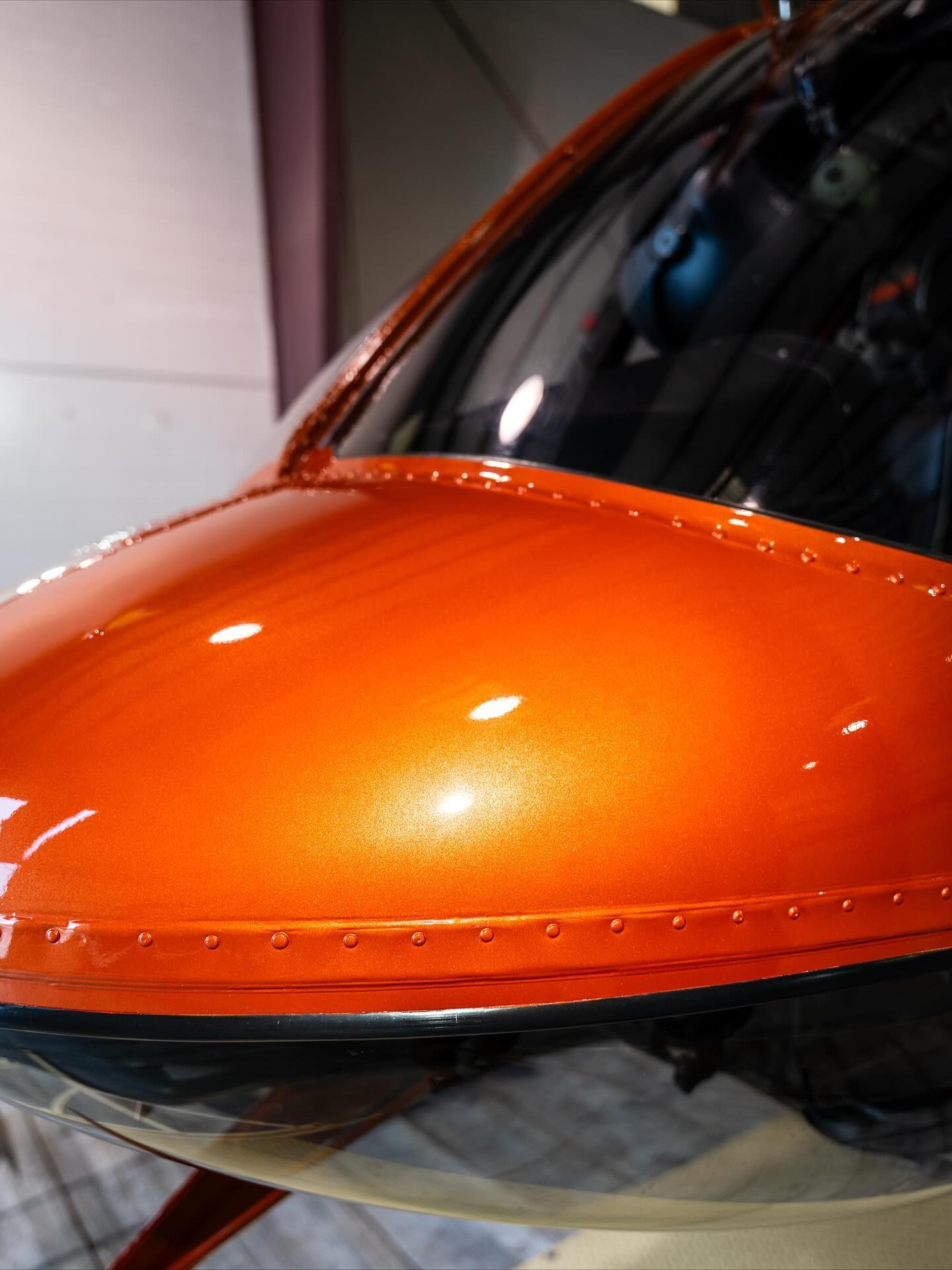
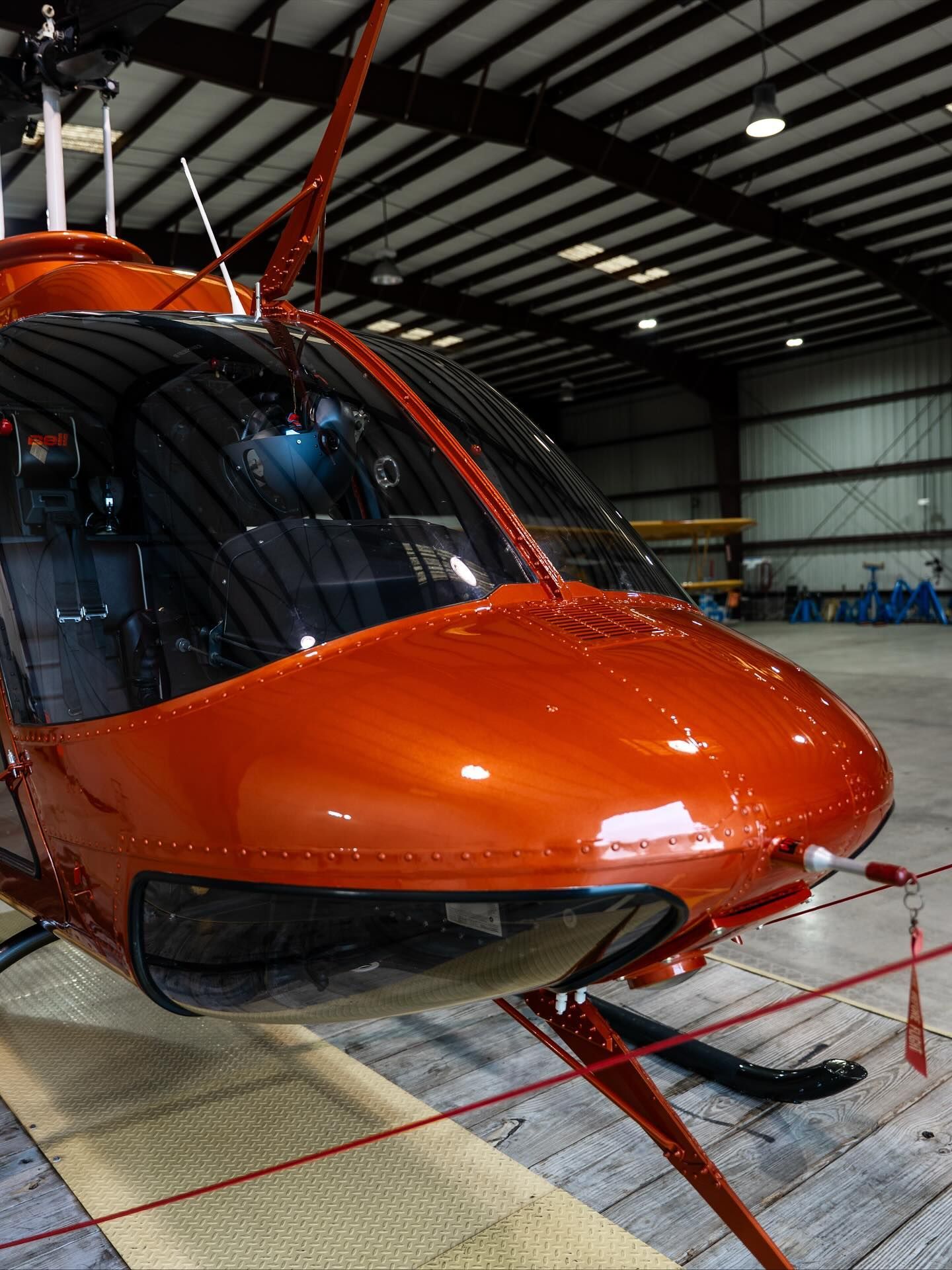
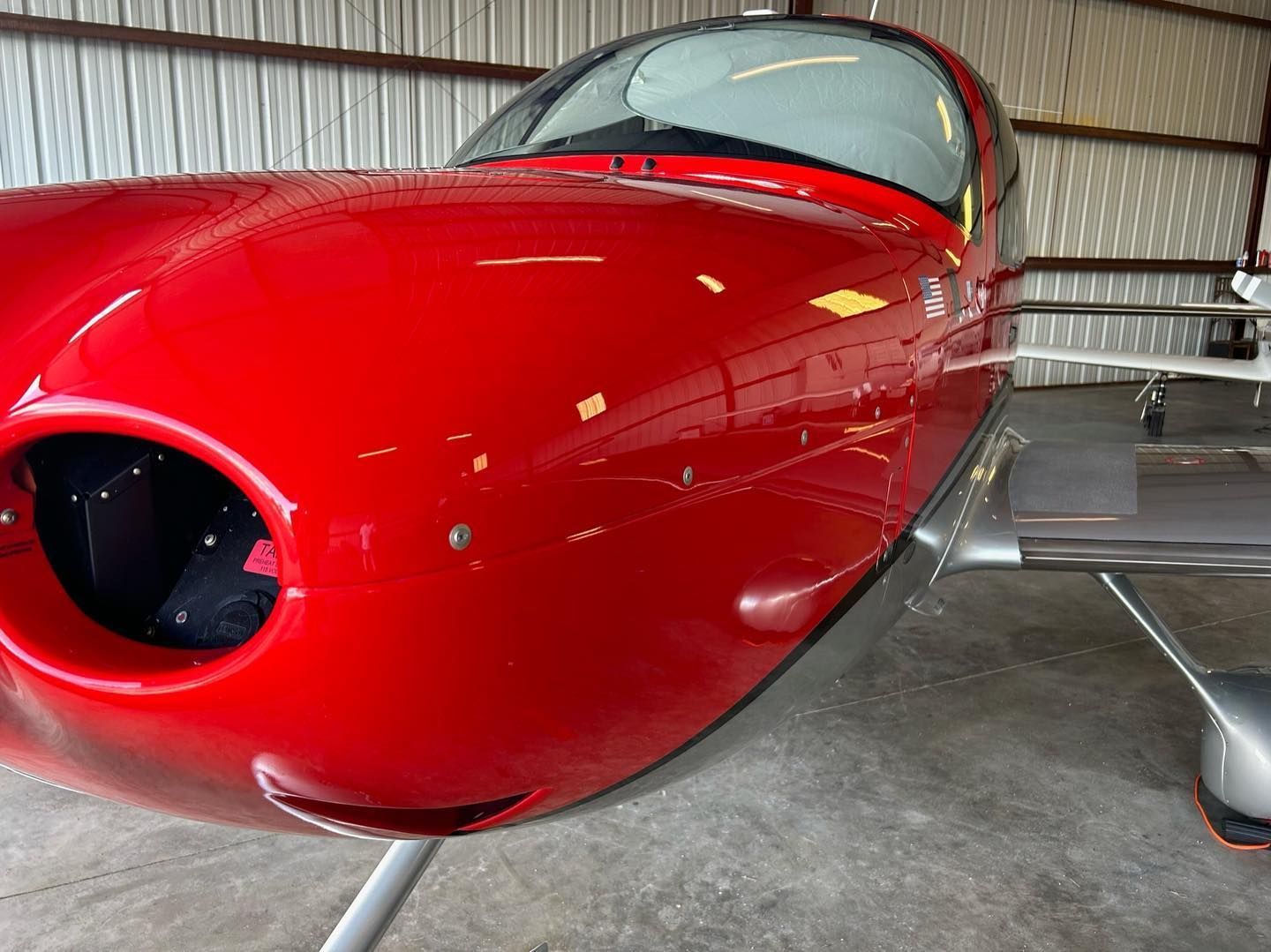
Once your aircraft is detailed, you'll notice that exterior surfaces show uniform gloss without streaking or oxidation, windows and windscreens provide clear visibility without haze or embedded contaminants, and interiors smell fresh instead of carrying the musty odor that develops in aircraft parked outdoors in Florida's humid climate. Protective sealants applied to exterior surfaces aldo aid in the cleanability of bug residue and exhaust stains during subsequent flights, reducing the frequency of deep cleaning required to maintain appearance.
Common Questions About This Service
Aircraft owners and operators ask about product safety, service duration, and scheduling flexibility before arranging aviation detailing.
What precautions are necessary when cleaning aircraft surfaces compared to automotive detailing?
Aviation detailing avoids abrasive compounds that could scratch composite materials, uses non-corrosive cleaners safe for aluminum and anodized surfaces, and prevents overspray on sensitive components like pitot tubes, static ports, and control surfaces that affect flight performance.
How often should aircraft receive detailing to maintain long-term appearance and surface protection?
Most private aircraft benefit from exterior detailing every three to six months depending on flight frequency and outdoor storage conditions, with interior detailing recommended quarterly to prevent humidity-related odors and material degradation common in Florida's climate.
Can detailing be scheduled around flight operations without causing delays?
Service timing is coordinated with aircraft availability, typically performed during scheduled downtime, maintenance windows, or between flight schedules to ensure the aircraft remains ready for operations without extending ground time.
What types of stains and contaminants require specialized removal on aircraft?
Exhaust carbon, hydraulic fluid, oil streaks, and bug strikes contain compounds that bond to paint and metal surfaces differently than automotive contaminants, requiring aviation-specific solvents and techniques that dissolve residue without damaging underlying finishes.
Why does Florida's coastal environment accelerate corrosion and appearance degradation on aircraft?
Salt air from the Gulf Coast deposits microscopic sodium chloride particles on all exposed surfaces, which attract moisture and create electrochemical reactions that corrode aluminum and degrade paint faster than in inland or northern climates where salt exposure is minimal.
Remarkable Detailing maintains experience handling delicate aviation surfaces with professional-grade products designed for the unique demands of aircraft care. Contact the team at (941) 799-1888 to discuss scheduling options and service estimates for your aircraft type and maintenance requirements.