Hull Protection That Handles Contact and Debris
Marine PPF in Bradenton for boats facing dock impact, debris strikes, and constant saltwater exposure
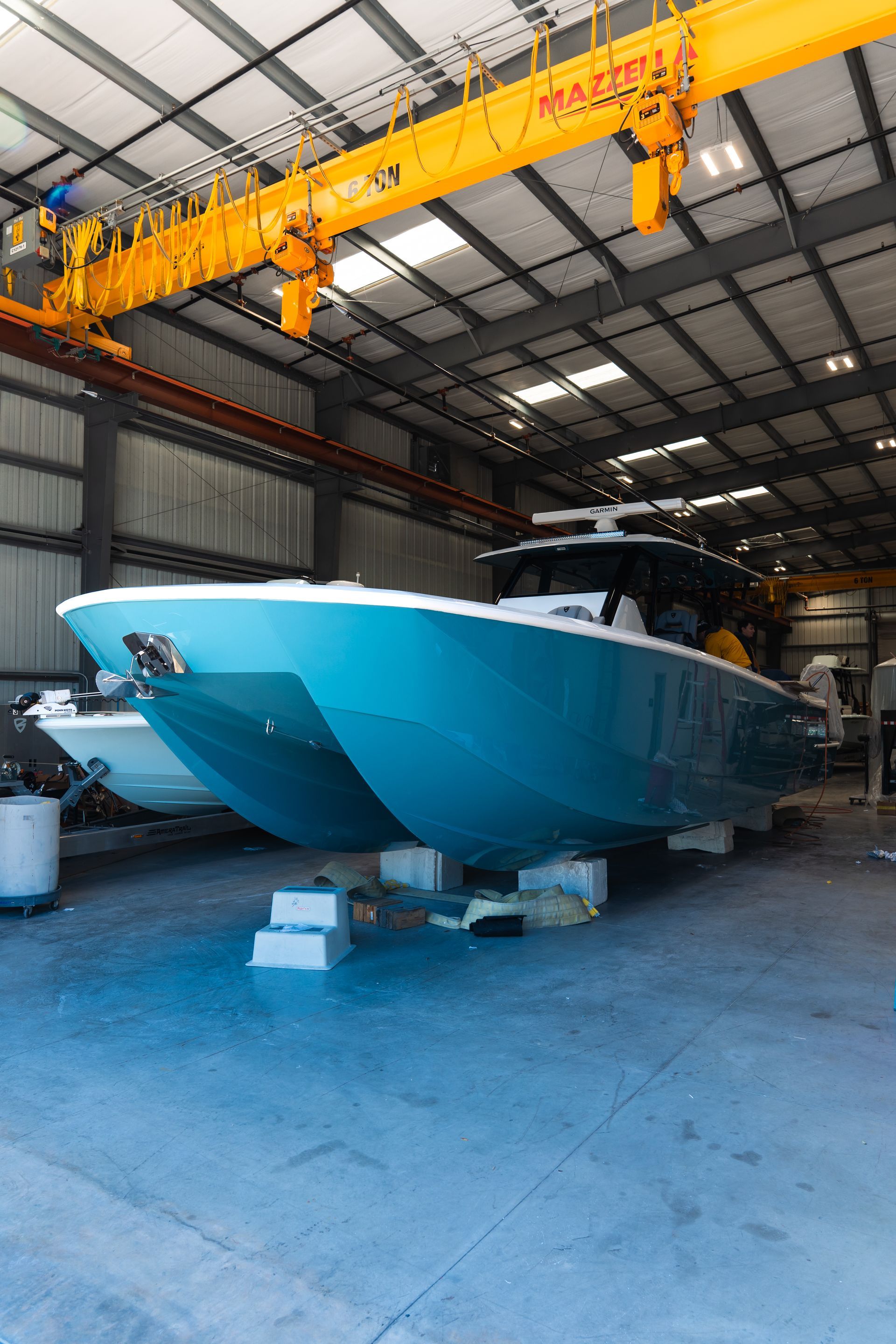
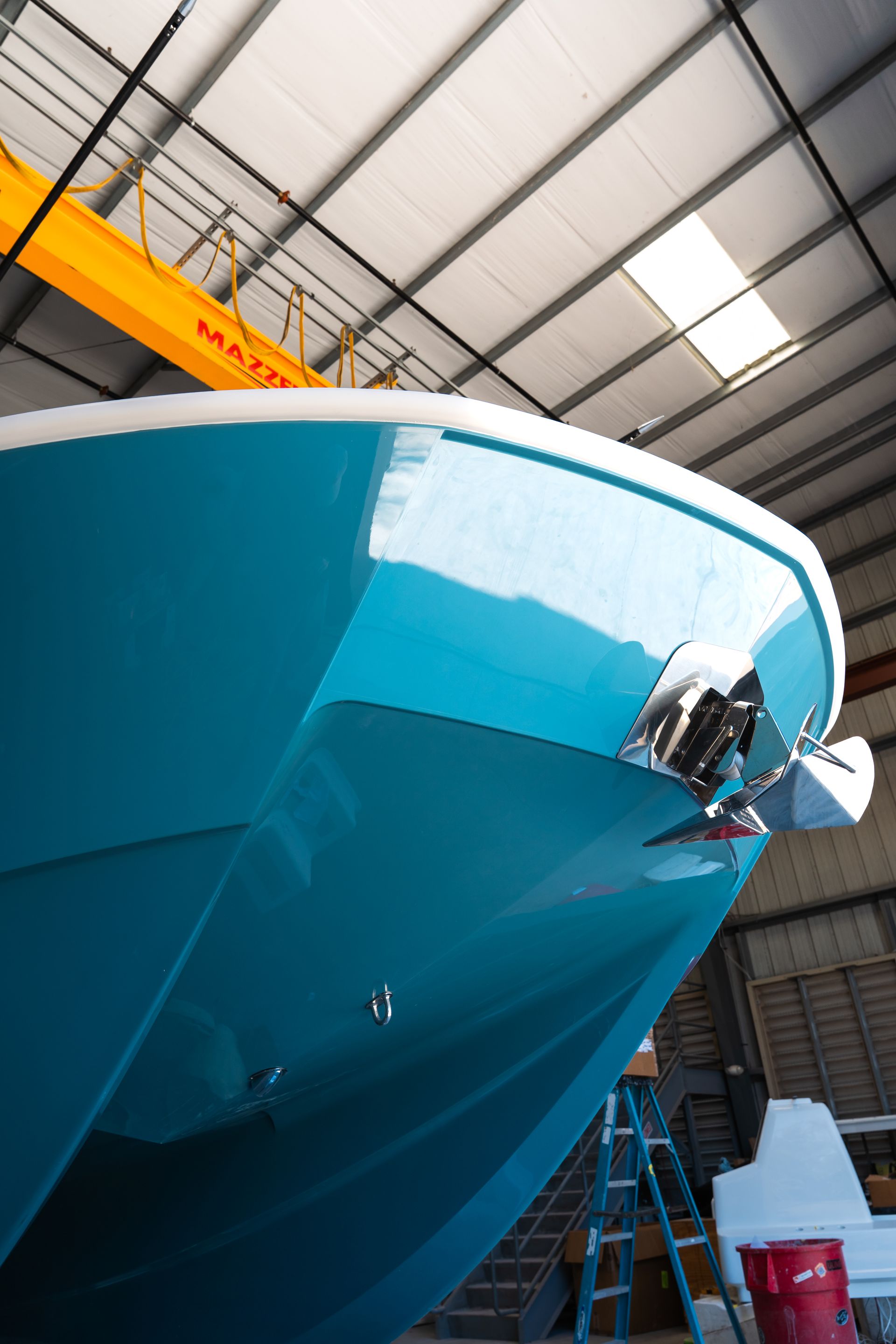
Gel coat scratches easily when fenders shift during docking, trailer bunks rub during transport, or floating debris makes contact at speed, and each mark requires wet sanding and polishing to remove—work that eventually thins the gel coat beyond safe limits. Marine paint protection film shields boats and watercraft from scratches, impacts, and abrasion by placing a self-healing urethane layer over high-contact surfaces, absorbing damage that would otherwise reach the gel coat permanently. Remarkable detailing installs marine PPF on recreational vessels, luxury yachts, and personal watercraft throughout Bradenton, focusing film placement on hull sections near rub rails, bow areas that take wave impact, and boarding zones where shoes and equipment cause repeated wear.
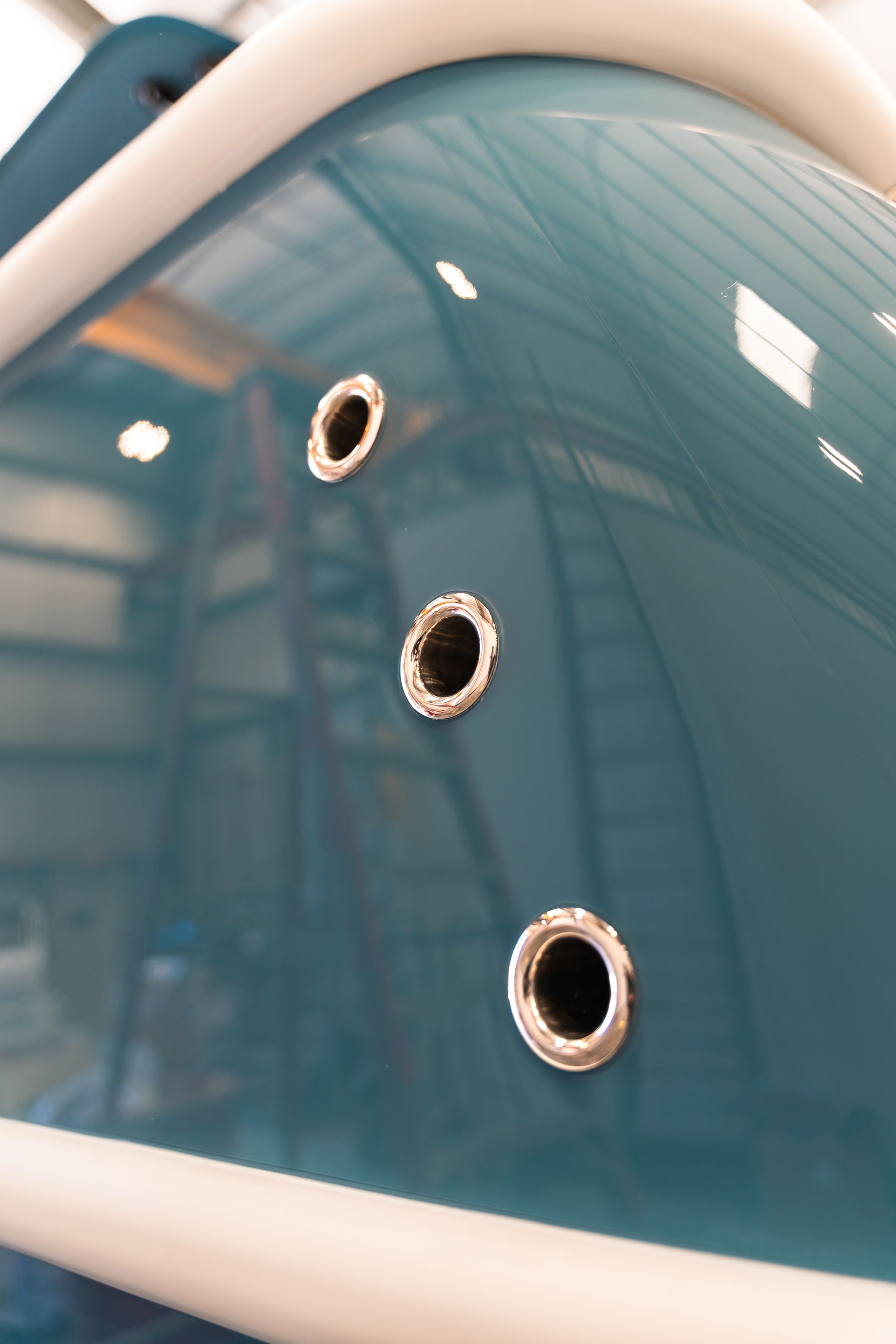
Installation begins with surface preparation that removes all oxidation, wax, and contaminants so the adhesive bonds directly to clean gel coat without trapping debris that creates bubbles or edge lifting. Film is applied wet using slip solution that allows repositioning before squeegee work removes water and activates the adhesive, a process that requires controlled pressure to avoid stretching the urethane or leaving fluid pockets that cure into visible defects. Edges are wrapped or sealed to prevent saltwater from wicking underneath and breaking adhesive bonds over time.
Request marine protection recommendations and project estimates based on your vessel type and typical use conditions.
What Changes After Film Installation Completes
Marine PPF reduces long-term wear by taking impact damage instead of the gel coat, meaning minor scratches self-heal under heat from sun exposure while deeper strikes stop at the film layer rather than gouging into the surface underneath. Careful installation ensures edges lie flat and corners stay sealed even when waves flex the hull, preventing the peeling and bubbling that occurs when film isn't properly prepped or applied with marine-specific techniques.
You'll notice that areas previously prone to fender rub or dock contact no longer show new scratches, gel coat retains its original depth and clarity under the film, and cleaning becomes simpler because contaminants don't bond to the slick urethane surface as aggressively as they do to bare gel coat. The film maintains optical clarity without yellowing in UV exposure when marine-grade products are used, keeping protected areas visually consistent with untreated sections.
Film pairs well with ceramic coating maintenance applied over the PPF surface and routine detailing that keeps both protected and unprotected areas clean. Experience with recreational boats, fishing vessels, and luxury watercraft means installation accounts for hull curves, hardware interruptions, and flex patterns specific to each vessel type, ensuring the film stays bonded through normal use and environmental stress common to Florida marine conditions.
Common Questions About This Service
Vessel owners in Bradenton ask about durability, coverage options, and how film holds up compared to frequent polishing or repainting damaged sections.
What areas benefit most from paint protection film on boats?
Bow sections that take wave impact, hull zones near fenders and dock pilings, swim platforms where boarding happens, and anywhere gel coat shows repeated scratching from equipment or contact during normal use receive the greatest long-term benefit from film coverage.
How does saltwater affect film adhesion differently than freshwater?
Saltwater penetrates edges faster and breaks down adhesive bonds more aggressively than freshwater, making proper edge sealing and surface preparation critical for marine applications where automotive PPF techniques often fail within months.
When does film need replacement versus just maintenance cleaning?
Film replacement becomes necessary when deep cuts penetrate through to the gel coat, when edge lifting progresses beyond re-sealing, or when UV exposure degrades the urethane to the point of discoloration, typically after five to seven years in constant Gulf Coast sun and saltwater exposure.
What's included in marine PPF installation?
Installation covers surface prep, film cutting and application, edge sealing, and post-install inspection, but does not include gel coat repair for existing damage, which must be corrected before film is applied to avoid sealing imperfections under the protective layer.
How does film compare to repainting scratched gel coat sections?
Film prevents future scratches for years while repainting only fixes current damage and leaves the surface just as vulnerable to new marks, making film a preventive solution rather than a corrective one that requires repetition every time new damage occurs.
Remarkable detailing works with boat owners who want to reduce maintenance frequency and protect vessel value by preventing gel coat damage before it accumulates. Arrange a consultation to review high-wear areas on your boat and determine film coverage that matches your docking and usage patterns.